

Friedrich-Spee-Biotop: Volunteer Days, Including Care of the Gravel Banks
Volunteers look after the Friedrich-Spee-Biotop in Kaiserswerth on the first Saturday of each month: gravel banks, paths, ragwort control. All welcome.
Friedrich-Spee-Biotop, a natural monument in a former gravel pit on Kittelbachstraße, Kaiserswerth: amphibians, birds, deer. Volunteers welcome.
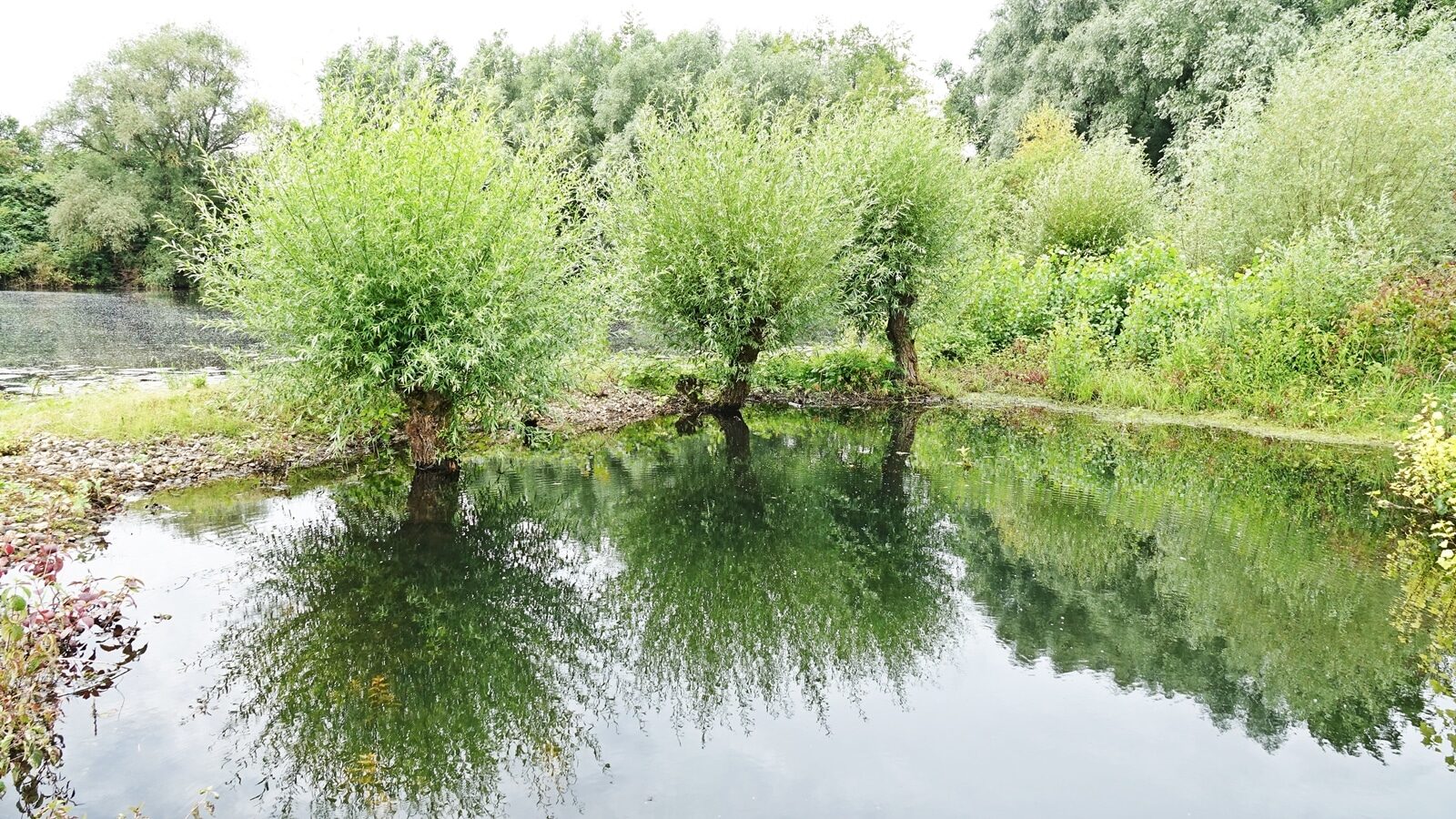
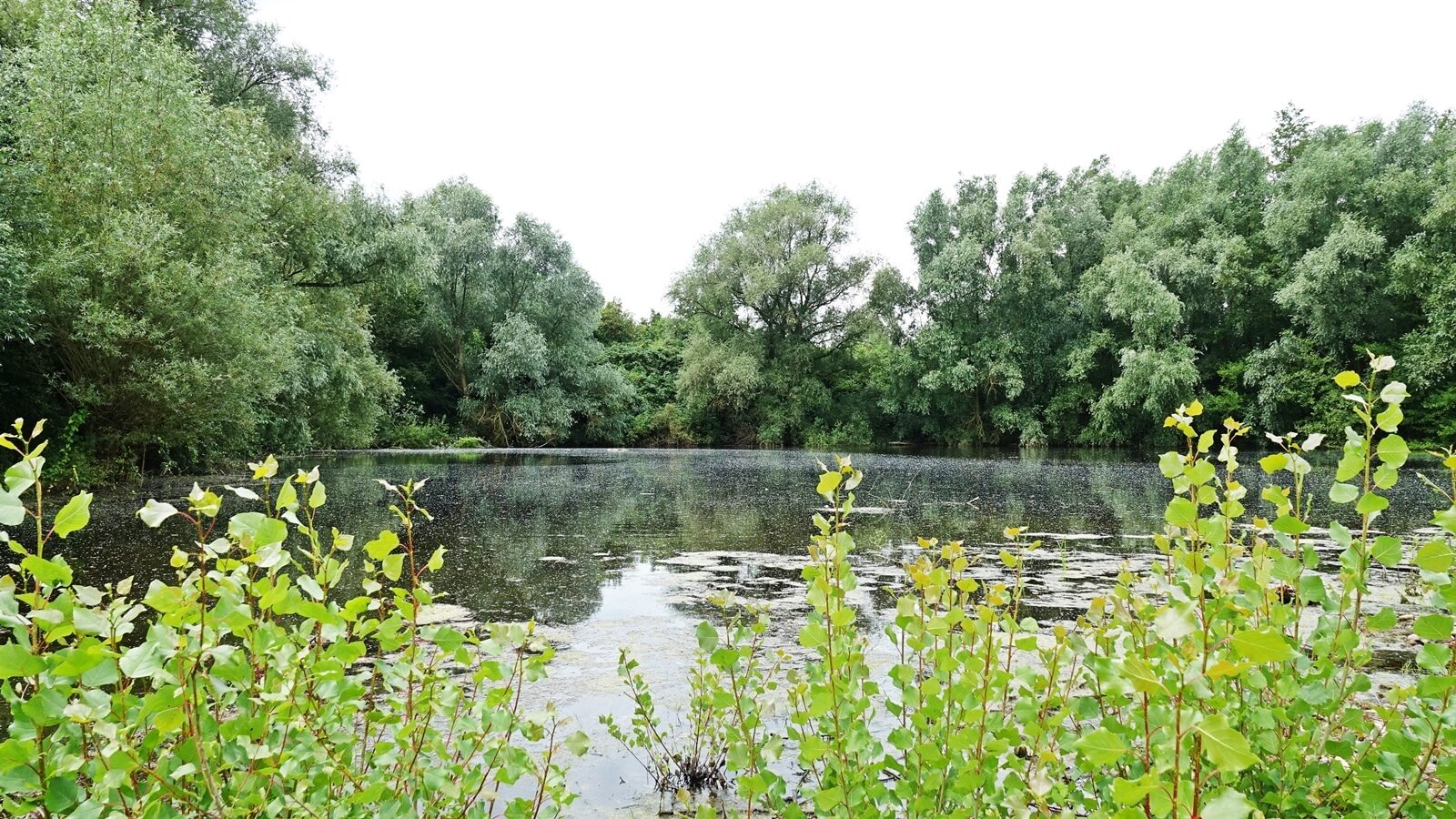
The Friedrich-Spee-Biotop in Düsseldorf-Kaiserswerth is a valuable natural area located in the corner between Danziger Straße (B8) and Kittelbachstraße. At the centre of the biotope lies the Friedrich-Spee-See (lake), in the immediate vicinity of the Suitbertus-See, Fliedner-See and Lambertus-See.
The Friedrich Spee Biotope is part of an old gravel extraction area. This historical use has led to a landscape that today contains various ecological niches. Among the biotope's distinctive features are nutrient-poor grassland, open areas of sand and gravel and numerous shallow small ponds. This variety of habitats offers ideal protection and food for many rare species of animals and plants.
Loading map … Friedrich Spee Biotope, Kittelbachstraße, Düsseldorf-Kaiserswerth
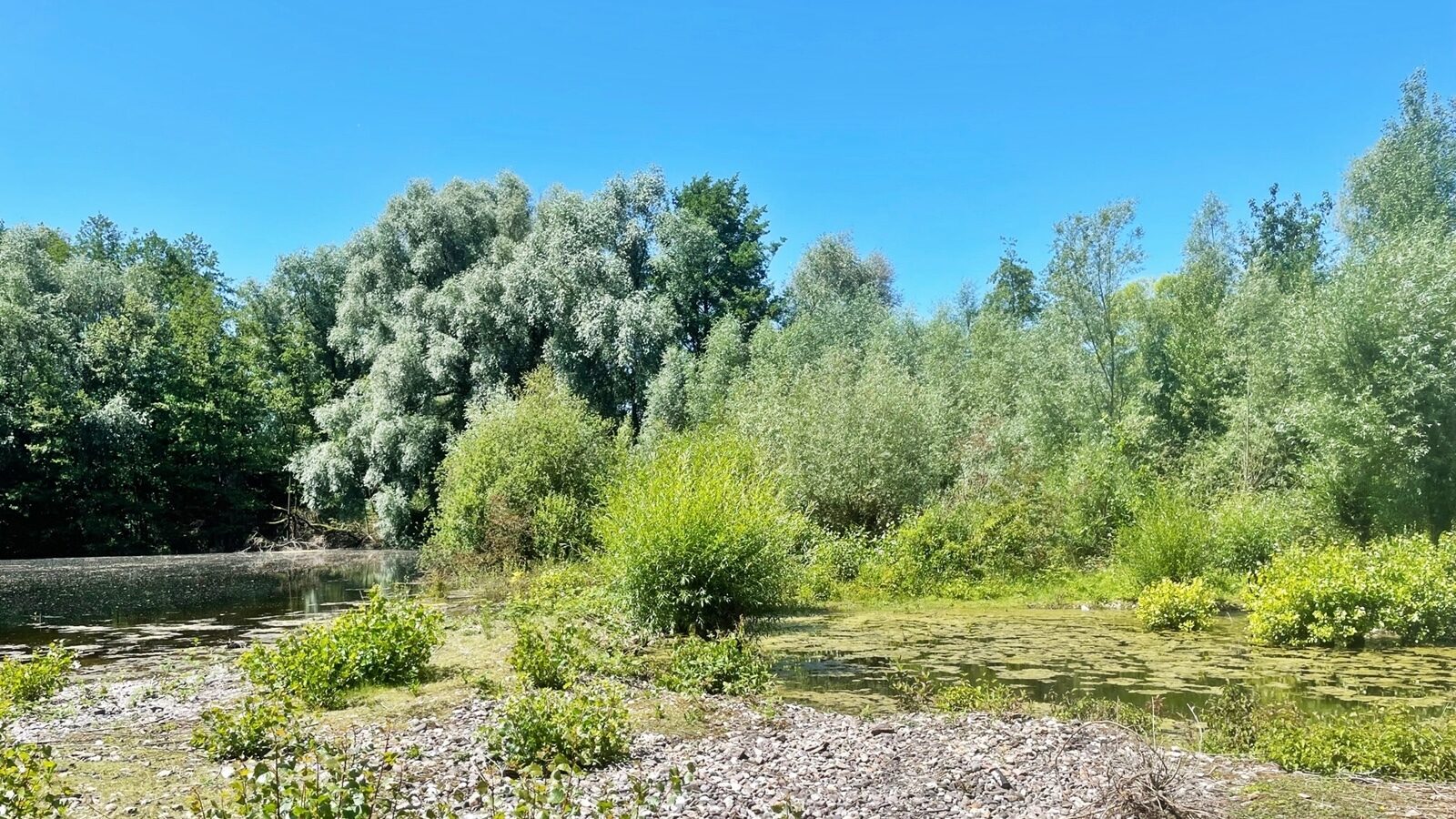
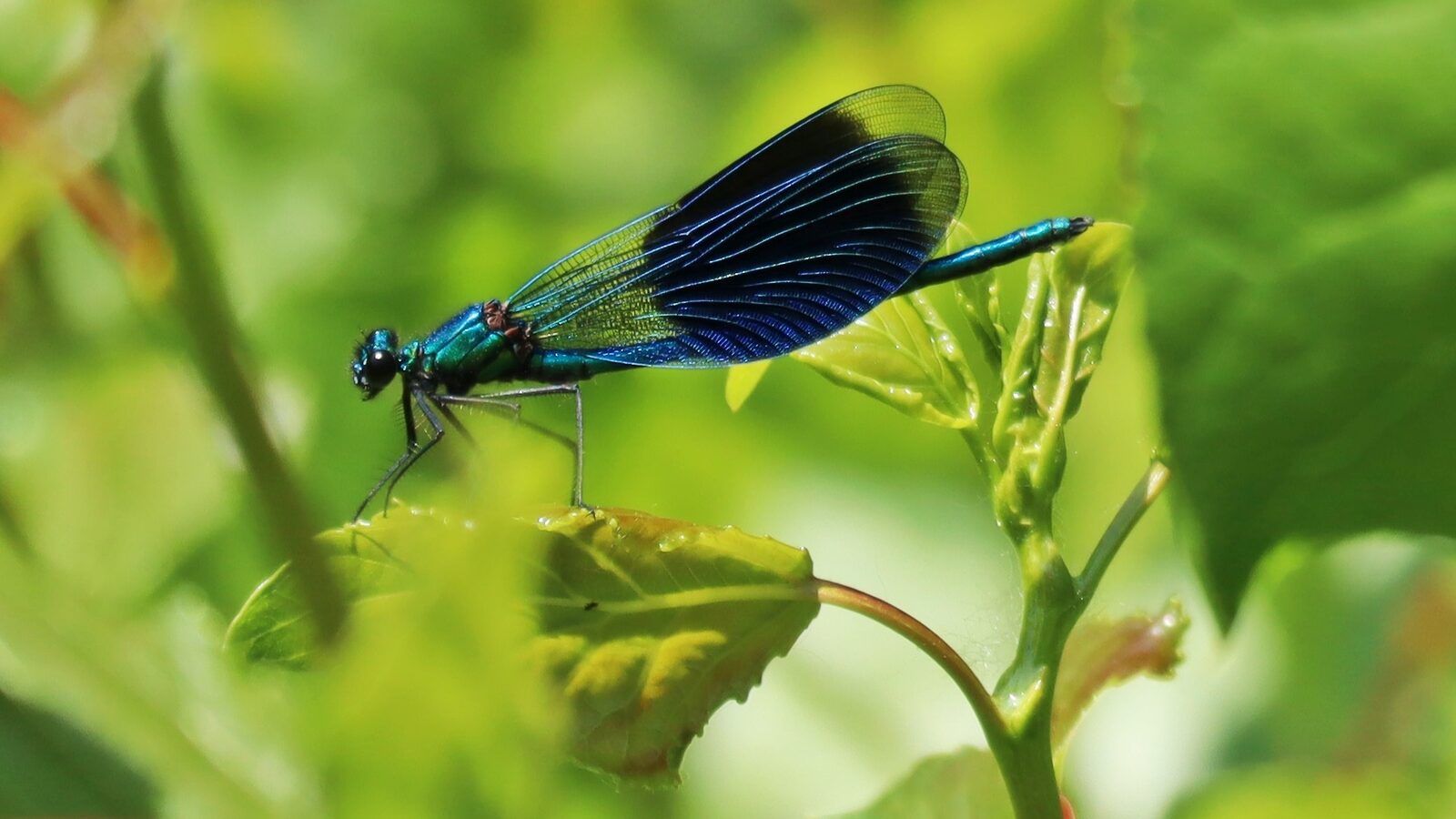
The diverse native bird and amphibian populations in the Friedrich Spee Biotope deserve particular mention, but larger animals such as roe deer also live here.
Unfortunately, invasive plant and animal species such as ragwort and pond sliders (ornamental turtles) also live in the biotope.
Amphibians depend on sunlit waters in order to develop and thrive. They also need land habitats with damp hiding places and deep, easily dug soil for their winter dormancy. The combination of aquatic and land habitats makes the biotope an ideal home for these sensitive species.
Invasive species in the biotope – read more
The care and preservation of the Friedrich Spee Biotope are organised by the Heimat- und Bürgerverein Kaiserswerth. The association is committed to preserving the biotope and protecting the species living there.
Care work is essential to secure the ecological balance and biodiversity of the area.
Regular care days also serve to combat invasive plant species in order to preserve the natural balance and diversity of the area.
Landscape care in the biotope – read more
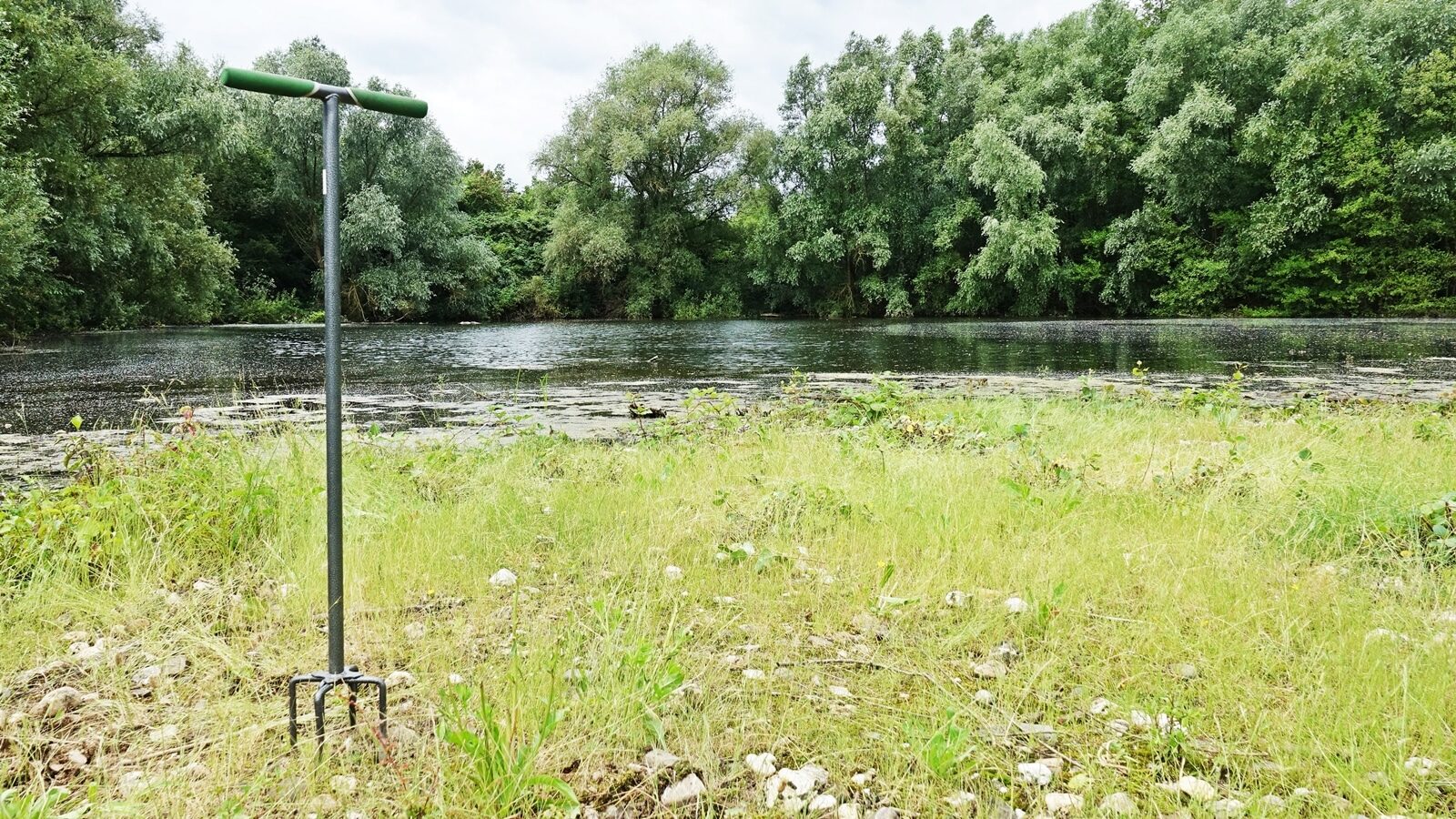
A visit to the biotope also gives food for thought: you see largely undisturbed nature, an idyll in the middle of the city. At the same time, the nearby airport and the busy B8N expressway can be heard clearly and constantly, disturbing the peaceful atmosphere.
This stark contrast between what you see and what you hear leaves a bitter aftertaste. You see the beauty and fragility of nature and are reminded at the same time how strongly human influence affects this idyll and how hard it is for nature to hold its own against the impact of civilisation.
The Friedrich Spee Biotope is officially recognised as a natural monument (Naturdenkmal).
Dear nature lovers and committed citizens!
The Friedrich Spee Biotope needs care. To continue preserving and protecting this unique biotope, we depend on the support of volunteers.
Together we can make a positive contribution to nature conservation while enjoying the beauty and diversity of our biotope.
Everyone interested can take an active part in caring for and preserving this precious habitat!
Anyone can join in – young or old, with a lot of experience or little. All you need for a session are sturdy shoes, clothing suited to the weather and work gloves.
We look forward to seeing you!
In future, there is to be a monthly care session at the Friedrich Spee Biotope with around 10 to 15 volunteers each time.
A volunteer group for this is currently being set up. The group should comprise at least 20 people, as not everyone will be able to make every date.
At present, the group meets on a Saturday each month from 11 am to around 3 pm at the biotope on Kittelbachstraße.
The dates, days and times can also be adjusted by agreement within the group.
It is very helpful if you bring secateurs, loppers or a cordless hedge trimmer to the work session in the biotope.
Volunteer sessions naturally only take place in suitable weather. A WhatsApp group will be set up so that we can respond at short notice.
Reports on the latest activities in the Friedrich Spee Biotope can be found in our news.
Our latest work in the biotope – read more
NABU in the biotope – read more
If you have questions about the biotope or about landscape care there, or would like to put your name down for care sessions, please get in touch with the Heimat- und Bürgerverein Kaiserswerth.
The easiest way to contact us is directly via the contact form, or alternatively by e-mail to info@hbv-kaiserswerth.de or by telephone.
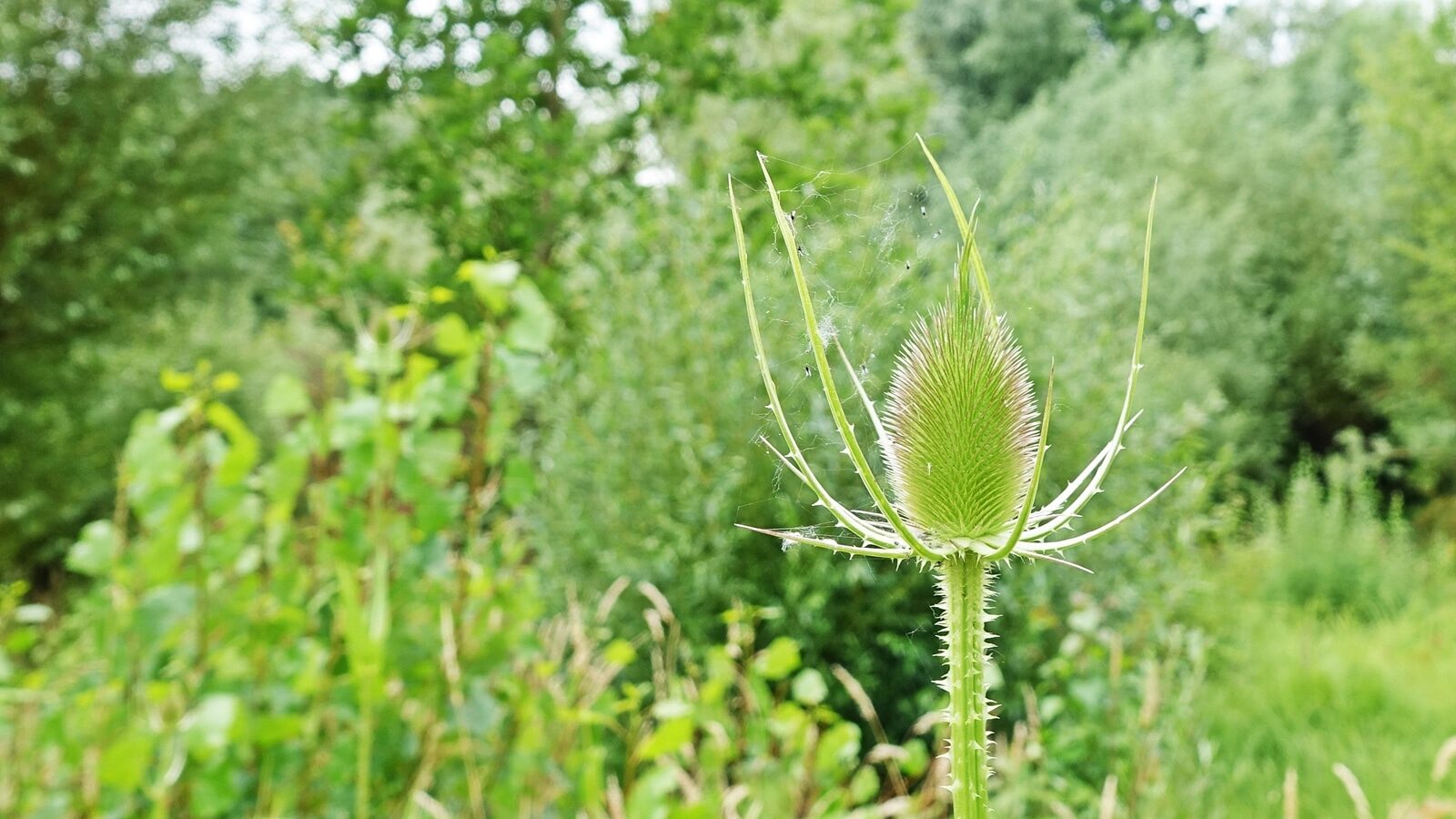
Ragwort (Jakobskreuzkraut) is a poisonous plant. Animals that eat it can suffer liver damage and die from it.
Since around 2004, ragwort has been spreading increasingly in North Rhine-Westphalia and poses a serious problem. Although it is an old, native plant, its sometimes extremely heavy occurrence is a new development.
Unfortunately, ragwort is also increasingly found in the biotope.
Ragwort – read more (Landwirtschaftskammer NRW, in German) (opens new page)
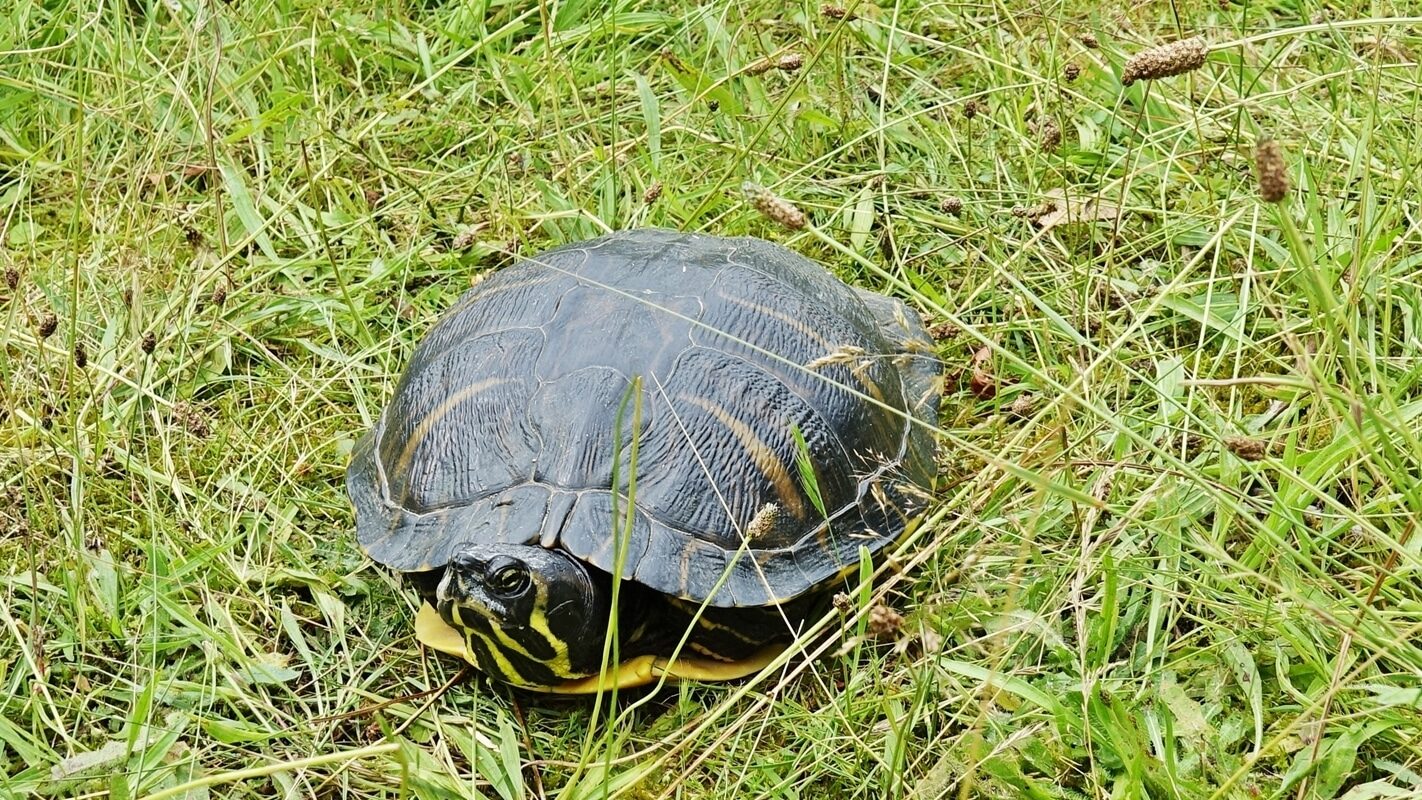
Spotting a wild turtle in Kaiserswerth is an exciting and, first of all, a lovely experience. However, released turtles threaten biodiversity in North Rhine-Westphalia.
Pond sliders (Schmuckschildkröten) originally come from North America. They are increasingly taking over ponds and lakes here after being released by their owners. The problem is that the turtles eat young fish, insect larvae such as those of dragonflies, tadpoles and newt larvae.
Released turtles – read more (Rheinische Post, in German) (opens new page)
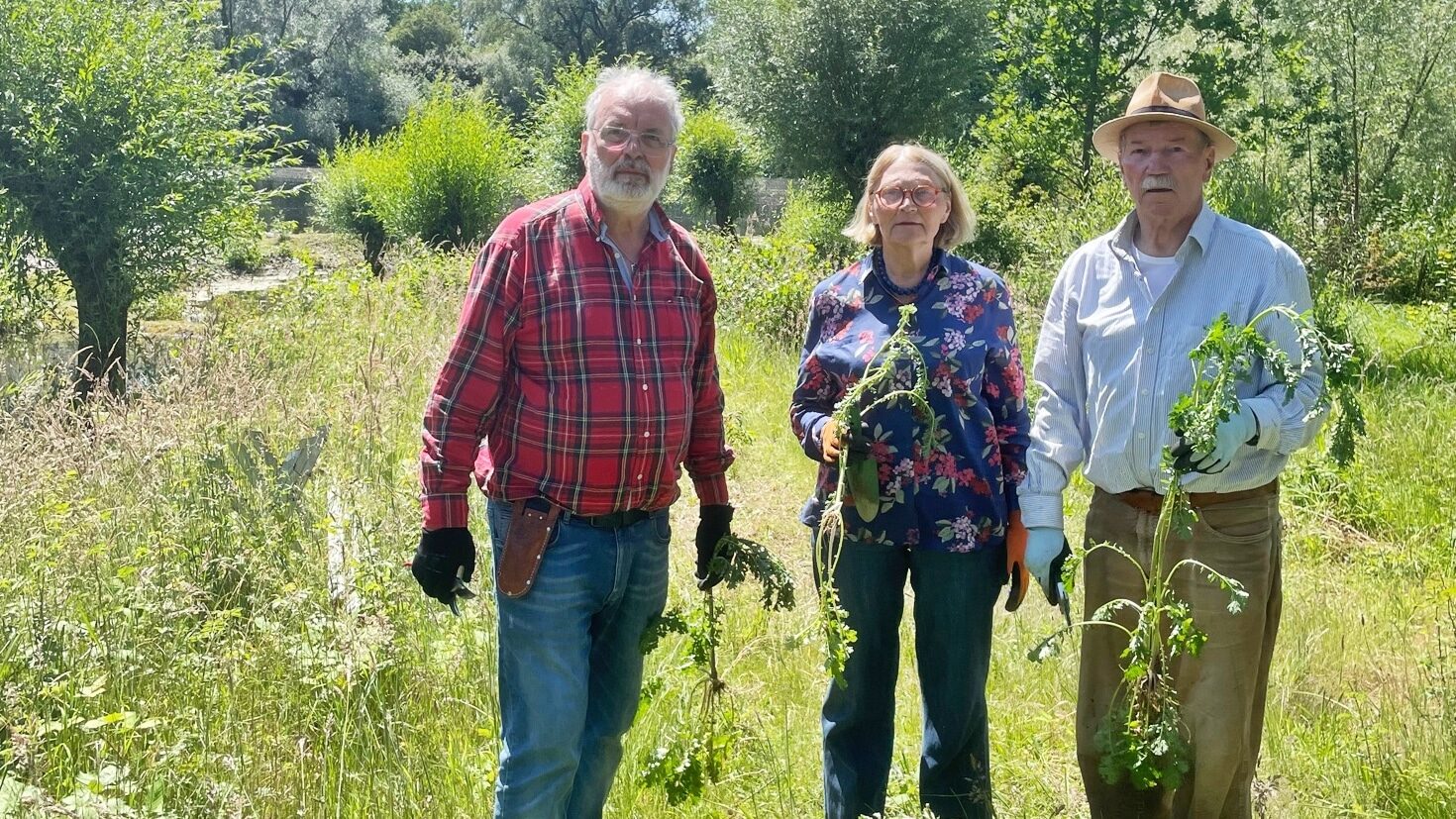
Volunteers look after the Friedrich-Spee-Biotop in Kaiserswerth on the first Saturday of each month: gravel banks, paths, ragwort control. All welcome.
On 31 July 2024, six children aged 8–11 explored the wildlife of the Friedrich-von-Spee-Biotop in Kaiserswerth, from crested newts to dragonflies.
In June 2023, NAJU youth and kids surveyed amphibians and insects in the Friedrich-Spee-Biotop in Kaiserswerth and spotted 12 dragonfly species.

